
Flow Funding

The River Network Flow Fund is a community of people and organizations working with flow funds distributed by River Network, inspired by Flow Funding philanthropy principles. As the initiator, River Network funds people and projects that are typically outside of the traditional proposal-based grantmaking structures while examining the privilege and power inherent in typical philanthropic efforts. Projects supported for the fifth cycle (2025 to 2026) address the impacts of climate change and promote social and water equity.
Highlights from the “Getting Unstuck: Stepping Into Power with Philanthropy” panel at River Rally 2022.
Get to Know the 2026 Flow Funders and Recipients by Their Initiative:

Discover more about this year’s Flow Fund Recipients and related media in this digital story.
Check out the map below to see where our Flow Funders and Flow Fund Recipients (current and past) are located:
Youth Education: Arthur Johnson

Arthur Johnson was born in the Nation’s Capital but his roots are in New Orleans and date back to visits with his grandmother who lived in the Lower Ninth Ward on Forstall Street. He relocated to New Orleans in 1999 where he has established himself as an accomplished fundraising professional and non-profit leader with a number of educational institutions and organizations. Founded in 2006, the Lower 9th Ward Center for Sustainable Engagement and Development (of which Arthur is now Chief Executive Officer) focuses on coastal rehabilitation, greening the built environment, and increasing food security by lifting up and strategically reinforcing community-driven goals to create an economically, culturally, and environmentally sustainable Lower 9th Ward.
Arthur’s Flow Fund Recipients:
 Dr. Bernard Singleton, Associate Professor at Dillard University
Location: New Orleans, Louisiana
Flow Funder: Arthur Johnson
Dr. Bernard Singleton is a native of New Orleans. He is an Associate Professor of Biology at Dillard University. He is also Co-Founder and Research Director of the CSED Environmental Research Internship, now entering its sixth year. The program encourages underserved middle and high school students to pursue Environmental Sciences, so that they can help protect their communities from natural disasters and with recovery, as well as fight for the health of the Mississippi River and other waterways.
Dr. Singleton lived in New Orleans East. His entire community was destroyed by Hurricane Katrina, and his family lost everything. He returned to New Orleans to play a role in restoring the city, using his research skills and training the next generation of environmental scientists.
The internship program is part of The Lower Ninth Center for Sustainable Engagement and Development, which works to revitalize the Lower Ninth Ward community by creating a thriving urban landscape through environmental stewardship. Their mission is to restore local wetlands and improve community health and wealth outcomes through education, advocacy, and service learning. This organization currently offers environmental research internships, space/place-based projects, and native plant nurseries.
Water Warriors, Community Care: Monica Lewis-Patrick
Monica Lewis-Patrick—President & CEO of We the People of Detroit—is an educator, entrepreneur, and human rights activist. With guidance and support from the other four founders of We the People of Detroit (WPD), and the leadership of volunteers and community experts, she has become one of the most distinguished social justice experts in Michigan, nationwide, and globally. Known as “The Water Warrior,” Lewis-Patrick is actively engaged in the fight to access safe, affordable water for all strategically undervalued communities.
Monica’s Flow Fund Recipients:
 Benton Harbor Community Water Council (Reverend Edward Pinkney, President)
Location: Benton Harbor, Michigan
Flow Funder: Monica Lewis-Patrick
Reverend Edward Pinkney is a prominent activist and community leader from Benton Harbor, Michigan. A leader in the fight for clean safe water for Benton Harbor and the state of Michigan, he filed a successful petition with the EPA to remove all lead pipes in the city of Benton Harbor.
The Benton Harbor Community Water Council was born in 2018, out of the Black Autonomy Network Community Organization. The Council believes that the most crucial element required for successfully performing lead education is home visits, or door to door plumbing assessments. It believes that in order to communicate the severity of lead contamination effectively with community members, people must be provided with hands-on training.
The knowledge that our children were drinking contaminated water and nobody cared about the future of our children…enabled the Benton Harbor Community Water Council to embark on a multifaceted initiative. It aimed to both educate residents about water lead contamination and remove the lead contaminated pipes. Through my work, I am hoping that every city, every state across the country will have clean, safe water for every child.” – Reverend Edward Pinkney
 Brenda Coley, Former Co-Executive Director of Milwaukee Water Commons
Location: Milwaukee, Wisconsin
Flow Funder: Monica Lewis-Patrick
Brenda Coley is a Wisconsin-based activist and the former Co-Executive Director of Milwaukee Water Commons. Before working in the environmental movement, she assisted local and national organizations in building their cultural competence in working with marginalized populations on health issues, leadership development, and social justice. She has received several awards for her work in Environmental Justice, including the Midwest Environmental Advocates’ Bill Iwen Environmental Justice Award and the African American Environmental Pioneer Award from Near By Nature. She currently consults with the Midwest Environmental Justice Leadership Team, and serves as a board member for the River Alliance of Wisconsin and the Advisory Council of Wisconsin Sea Grant.
I see an urgent need to protect future generations so that they have a livable planet, in addition to my desire to address environmental racism and systemic inequality. I really revel in the benefits of collective action, although complicated and quite challenging…I take lessons from my ancestors who modeled the way to continue to build resilience in desperate times, and who found joy in challenging times and in action. I find pleasure and joy and wisdom when engaging my community in understanding and then explaining what the climate impacts look like locally and regionally.” – Brenda Coley
 Cassy Jones-McBryde, Water Equals Life Coalition Member and International Fuller Woman Network Founder
 Idlewild Lake Association (Blair Evans, Leader)
 Nina & Mickey McCoy, Leaders of Martin County Concerned Citizens
Location: Inez, Kentucky
Flow Funder: Monica Lewis-Patrick
Nina is a retired high school biology teacher and current President of Martin County Concerned Citizens. Martin County Concerned Citizens is dedicated to assuring that her community has safe, reliable, and affordable drinking water.
After 31 years of teaching at the county’s only high school, Nina started advocating to ensure her community’s voice was included in decisions made by the county’s water system. After many years of trauma around drinking water in Martin County, she believes the way to increase care for natural waterways and trust of local drinking water is to make sure people’s voices are heard in every aspect of their water story.
 Smallville Farms/Sustainable Community Farms (Michelle Jackson, Executive Director)
Cicely Allen

LaTanya Bell
The Wisdom Institute (Cicely Allen and LaTanya Bell, Co-Executive Directors)
Location: Detroit, Michigan
Flow Funder: Monica Lewis-Patrick
Cicely Allen and LaTanya Bell are Detroit-based leaders, mothers, and Co-Executive Directors of the Wisdom Institute, a Black women-led organization advancing Healing Justice through spirit-led advocacy, cultural strategy, community care, and policy change. Together, they lead grassroots efforts that center the lived experiences, voices, and leadership of Black women and girls, working at the intersections of environmental justice, reproductive justice, and gender and economic justice.
Their work spans critical issues including water affordability, housing security and the right to counsel, maternal and infant health, voter engagement, and Black women’s economic empowerment. Through art-infused advocacy, deep listening, and community-rooted strategies, they transform personal and collective experiences into systems and policy change, naming environmental racism as a direct threat to womb wellness, family stability, and community health.
Cicely and LaTanya are deeply committed to building power through transformational solidarity, resilience, and cultural healing practices. As mothers and movement leaders, they are guided by a shared vision of co-creating a world where Black families can breathe, drink, birth, and live self-determined, liberated lives.
Climate and water justice work, for us, is about transforming, healing, and justice ensuring that people have access to safe, affordable water; healthy water infrastructures; better climate controls; the ability to care for their families properly; and that policies reflect the lived realities of those most affected.” – LaTanya Bell
Access to the Outdoors: Sharee Harrison
Sharee Harrison is an African American entrepreneur, community advocate, master gardener, and emerging philanthropist deeply committed to strengthening urban communities through education, access, and opportunity. Driven by purpose and lived experience, Sharee continues to serve as a connector and catalyst for positive change, building pathways for grassroots organizations and urban communities to thrive. Her work focuses on providing practical education, mobilizing funding, and supplying essential resources that support daily living, sustainability, and long-term community wellness.
Sharee’s Flow Fund Recipients:
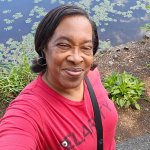 NOT Orange Inc. (Sharon Bagley, Founder)
Location: City of Orange Township, New Jersey
Flow Funder: Sharee Harrison
NOT Orange is committed to enhancing public safety by reducing violence, providing positive opportunities for personal growth, and reclaiming and learning about our public and green spaces.
 Tree House Cares (Tanya Veltz, Co-Founder)
Location: Newark, New Jersey
Flow Funder: Sharee Harrison
Tanya Veltz is Co-Founder and Director of Tree House Cultural Arts Movement and Tree House Cares, a nonprofit and community service program she established with her husband Matthew Veltz in 2017. She is on a mission to provide sustainable resources, nutrition, health and wellness, and natural resources to those in need.
The Tree House Cares Program is currently expanding its Community Nature and Gardening Program. This initiative will allow the organization to provide more green spaces to teach adults and youth about agriculture, climate, nutrition, and the benefits of growing their own food.
I have personally experienced many challenges of many people that I help, especially those in urban communities. Many have limited access to visit parks with outdoor preservations that include lakes, mountains, and areas with large green spaces to learn about nature, agriculture and wildlife.” – Tanya Veltz
Protecting the Rio Grande: Tricia Cortez
Tricia joined the Rio Grande International Study Center (RGISC) in 2010 where she currently serves as executive director of Laredo’s only environmental nonprofit organization. Her primary focus is to understand and improve the Laredo and South Texas environment in the face of the realities of climate change, and seeks to achieve that end by restoring the resilience of nature and natural systems. RGISC programs are centered on river restoration, water security, air quality, cultural organizing, and border narrative shifts.
Tricia’s Flow Fund Recipients:
 Bianca Brewster, Wildlife Rehabilitator & Owner, Chaparro Prieto Ranch
Location: Laredo, Texas
Flow Funder: Tricia Cortez
Bianca Brewster is a wildlife conservation professional with over 15 years of experience dedicated to the protection and stewardship of native species. As a wildlife rehabilitator, she has worked extensively with injured and displaced wildlife, prioritizing ethical care and successful return to natural habitats whenever possible.
Brewster steps in to fill the gap for wildlife rescue services in Laredo, TX, where she works with US Fish and Wildlife Service and Texas Parks and Wildlife game wardens by providing temporary shelter and care to wildlife that have been found injured, orphaned, or have been confiscated at the border, until she can place them in sanctuaries across the region. She anticipates the need for wildlife rescue services will continue to grow as wildlife is impacted by more frequent drought conditions in the region, as well as their anticipated restricted access to drinking water created by the U.S.-Mexico border wall.
The challenges we face locally mirror what many communities across the region and nation are experiencing—prolonged drought, biodiversity loss, water insecurity, and environmental inequities. South Texas serves as a microcosm of these larger climate realities. By developing effective local strategies—habitat restoration, wildlife recovery, and community education—we contribute to a broader network of communities working toward resilience and environmental justice. Our work demonstrates that meaningful climate action begins at the local level but has ripple effects far beyond it.” – Bianca Brewster
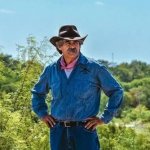 Eagle Pass Border Coalition (Jessie F. Fuentes, Board Member)
Location: Eagle Pass, Texas
Flow Funder: Tricia Cortez
Jessie F. Fuentes lives in Eagle Pass, Texas. A retired Career & Technical Education teacher and former cable television communications specialist, he has canoed or kayaked most rivers and bodies of water in the southwest of Texas. He is currently a board member of the Eagle Pass Border Coalition, an organization protecting the Rio Grande and its watershed tributaries along with defending civil liberties and human rights of people on this land.
Eagle Pass Border Coalition was awarded Flow Funding through the Rio Grande International Study Center. The Coalition’s mission is to restore the ecosystem of the Rio Grande River along with promoting protection for water that delivers life for over 7 million people on both sides of the river. It provides scientific testimony on the impacts of noncompliance with established treaties and regulations, advocating for the delicate riparian river wetlands that allow this tremendous river to maintain its necessary flow and existence.
At a personal level, what really motivates my community work for climate and water justice is that many people are scared by what they do not understand. I simply seek to inform and make people aware that certain actions against an ecosystem that has been in place for thousands of years can result in serious repercussions if the environment is not treated with respect and harmony.” – Jessie F. Fuentes

Dr. Amede Rubio (right)
Dr. Amede Rubio, Assistant Professor, Texas A&M University
Location: Laredo, Texas
Flow Funder: Tricia Cortez
Dr. Amede Rubio has taught biology and ecology at both high school and university levels for two decades. At Texas A&M University, he researches invasive plant species along the Rio Grande in Webb County, Texas, examining their effects on native biodiversity. He is involved in restoration efforts for a riparian zone along the Rio Grande in Laredo, TX, where his students and motivated community members remove invasive plants and replace them with native ones. A main goal of his work is to establish pollinator habitats and develop a self-sustaining ecosystem.
Our story is one that is seen all throughout the border between the US and Mexico in Texas. Anthropogenic activity and natural disturbances have severely impacted these ecosystems. Consequently, these areas have become monocultures of invasive plant species. These invasive plants reduce native biodiversity and also impact water quality and quantity available to people in these communities. Continued neglect and degradation of these areas will drive them to complete loss of ecological identity. Furthermore, these amazing places will no longer be enjoyed by the public. Homeland Security sees these areas as sites for illicit activity and illegal immigration; I see them as areas of true beauty and unrealized ecosystem services.” – Dr. Amede Rubio
 Alfredo Quezada, Teacher, Alma Pierce Elementary
Location: Laredo, Texas
Flow Funder: Tricia Cortez
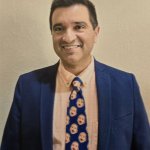
Alfredo Quezada is a fifth-grade science teacher at Alma Pierce Elementary in Laredo, Texas. He creates hands-on learning experiences that connect students and families to the natural world around them. Over the past 22 years teaching in both middle school and elementary classrooms, he has focused on helping students move beyond textbooks through outdoor field studies, community partnerships, and immersive science investigations that build curiosity, stewardship, and a lasting connection to their local environment. He is especially passionate about expanding access to meaningful nature experiences for students who may not otherwise have those opportunities. His own experiences exploring ecosystems—including scuba diving and developing a deep appreciation for ocean conservation—continue to shape his commitment to place-based environmental learning and community engagement.
Through collaboration with local conservation organizations and educators, his project will expand access to meaningful outdoor learning opportunities for students who may have limited chances to explore spaces such as caves, oceans, and regional ecosystems. Support from the Climate Justice Flow Fund will help make a field experience to Natural Bridge Caverns possible, allowing students to encounter Earth science concepts in ways that are tangible, memorable, and shared with their families and community.
At its core, this effort is about paying forward the opportunities that shaped my own understanding of the natural world and ensuring that every child has the chance to develop curiosity, stewardship, and a lasting connection to the environment. My work is motivated by the belief that students and families learn to care for the environment when they can experience it directly in their own community. In a border region where access to natural spaces and clean water resources carries both environmental and social importance, hands-on learning helps young people understand that stewardship is part of everyday life, not just something discussed in textbooks. I hope to equip students with the awareness and responsibility needed to care for local ecosystems while recognizing that water and climate challenges connect communities across regions and generations. By grounding environmental learning in real places and shared experiences, our local work contributes to a broader culture of conservation and community resilience.” – Alfredo Quezada