River Voices: July 2026
Welcome to the July 2026 edition of River Voices. This month, we’re sharing takeaways from the 8th Environmental Flows Workshop, hosted in Salt Lake City. Plus, our new Executive Director shares thoughts on funding the water movement in a changing philanthropic landscape.
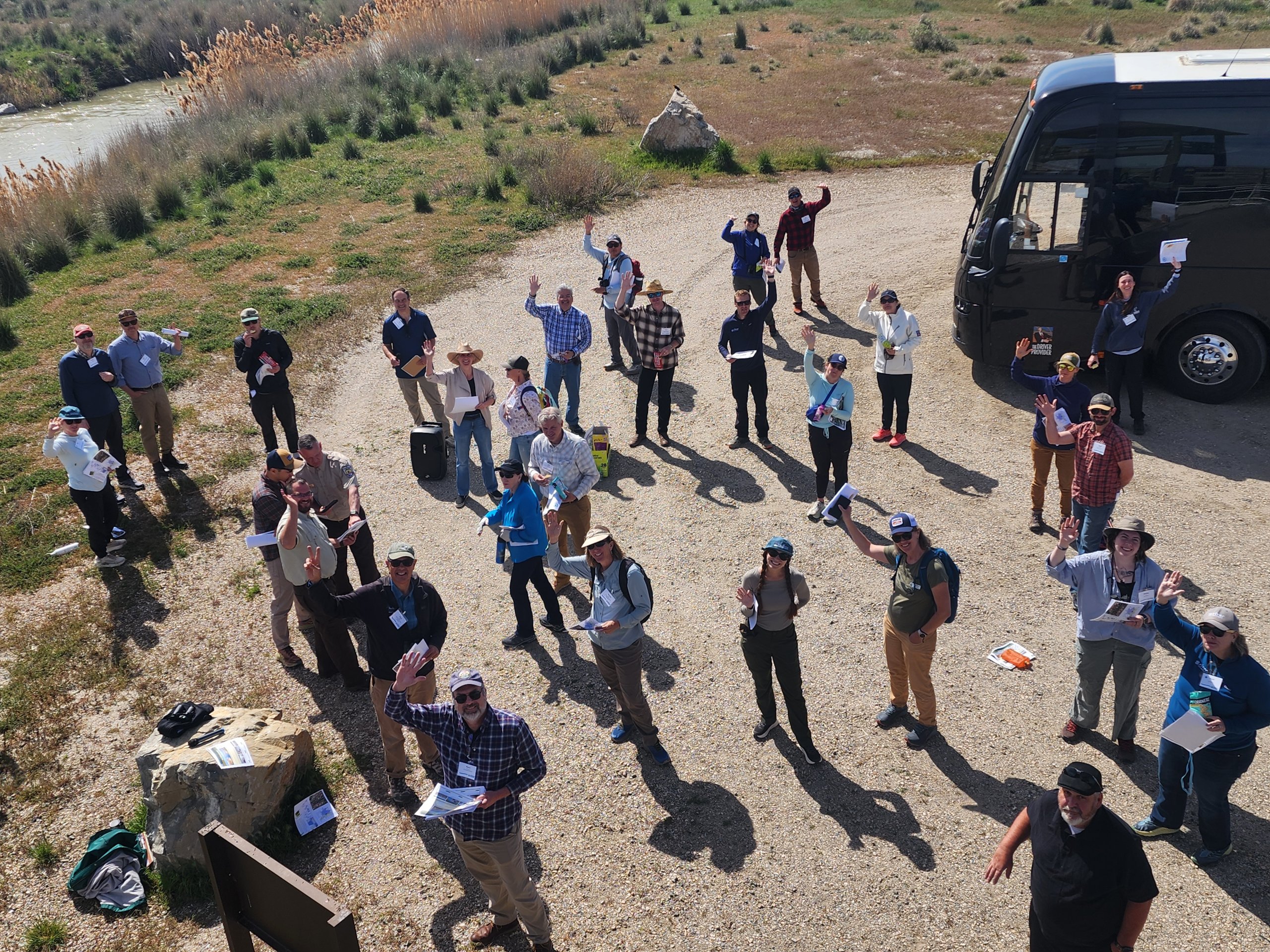
The American West is gearing up for a challenging water year, with devastating fires already burning across the drought-stricken region. Among the water bodies feeling the stress of this water crisis is the Great Salt Lake. This was an anchoring setting for River Network’s 8th Environmental Flows Workshop, held over 3 days in Salt Lake City, Utah. Here, we heard many practical solutions and pieces of wisdom from folks working on the ground to restore flows.
Read our reflections on the 8th Environmental Flows Workshop.
“The solutions that emerged were inclusion and education. Participants noted the urgent need for all water users to become part of water use and planning discussions. If everyone understood the consequences of a worsening drought and poor allocation decisions, the table would be wonderfully crowded.”
– Brenna Goggin, River Network
“There is no denying that philanthropy is in a state of flux. These funding challenges lead me to an undeniable truth: both River Network and the organizations we serve are being asked to do more with less. But I believe that, through this network, we can overcome these funding challenges together.”
Read the blog by River Network Executive Director, Stacy Cachules.
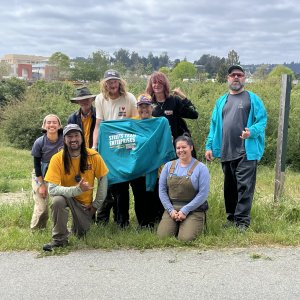
Kaiya Giuliano-Monroy is the 2026 Emerging Leader. She was recognized for her work on the River Stewards Program with Coastal Watershed Council in Santa Cruz, CA, which introduced unhoused people to restoration work along the river.
Learn how the short pilot project blossomed into a successful year-round program.

Groups in urban waters locations—including partnerships in Phoenix, New Orleans, and Raleigh that are highlighted in the Story Map—understand and feel displacement pressures. While solutions differ depending on location, these partnerships are multi-sector in nature and rooted in community values.
The Rooting Resilience program provides funding and assistance for communities to improve their urban and community forests. These trees will improve local water quality, build resilience to extreme weather, and benefit community health, connections, and well-being. We’re excited to share the work of grantee, Urban Neighborhood Initiatives in Detroit, Michigan.
[Recorded Session] Mitigating Displacement: Building Community Resilience and Recovery
This session focused on a range of complementary solutions that built community power through education, supported residents in their efforts to foster a community vision for their neighborhoods, and improved residents’ accessibility to housing.
Speakers:
- Adrienne Rice, Founder and Executive Director of Sustainable Georgia Futures, will share their work to educate community members on issues of climate gentrification,
- Gloria McNair, Chief Community Office with Groundwork Jacksonville (FL), will share the organization’s Home Repair Program, and
- Carolyn Auweloa, Director of Operations at the Lahaina Community Land Trust (HI), will discuss their Keep Lahaina Home programs.
2026 Great Lakes Conference
September 24-25 in Detroit, MI
The Great Lakes Conference, hosted by the HOW Coalition, brings advocates, professionals, and community members from around the region to a Great Lakes city to learn, share, and network around Great Lakes issues. The conference features field trips that take participants throughout Detroit to share our host city’s vibrant history and see firsthand the exciting water work happening throughout.
- 📃 In West Sacramento, California, the Rural Community Assistance Corporation’s bottled water distributions are open to any county resident who lacks reliable access to safe drinking water, but they are struggling to keep up with demand.
- 📃 When Forests Burn, Lakes Suffer. “The relationship between fire and freshwater is something that needs way more attention, both from a research perspective and a policy perspective,” says Friends of the Boundary Waters’ Sam Reed.
- 🎧 The second episode of A2’s new podcast, Digital Overload [Data Centers], features the work of New Mexico Environmental Law Center, Protect Our Aquifer, Young, Gifted & Green, and Memphis Community Against Pollution.
- 🗺️ Mapping Destruction by the NRDC uses GIS modeling to visualize the disastrous impacts of Sackett v. EPA on America’s wetlands.
- 📃 Colorado Water Center and Colorado Water Conservation Board’s Water Education & Workforce Resource Hub: this pilot site is a single location for all Colorado-specific water resources for community members, educators, and professionals.